Flores Overland Tour

star 0 (0 Reviews)
location_on Labuan Bajo (starts) / Maumere (ends)
schedule 6 Days 5 Nights
Flores Overland Tour

Flores — meaning “flowers” in Portuguese — is one of Indonesia’s most breathtaking and underexplored islands. This overland journey traverses the island from Labuan Bajo in the west toward Maumere or Ende in the east, revealing an extraordinary diversity of landscapes, cultures, and traditions within a single island.

You’ll visit crater lakes that change color with the seasons, stay in traditional villages where animist customs blend with Catholicism, witness volcanic steam vents, and meet weavers producing some of Indonesia’s finest ikat textiles. The scenery shifts dramatically as you travel — from the dry volcanic landscapes of the west to the lush highlands of the interior and the rugged coastline of the east.

This is not a typical beach tour. It’s an immersive cultural and natural journey through one of Asia’s most rewarding destinations, led by a local English-speaking guide who knows Flores intimately.

groups
Group Size
Max 16
translate
Language
English, Indonesian
location_on
Meeting Point
Labuan Bajo (starts) / Maumere (ends)
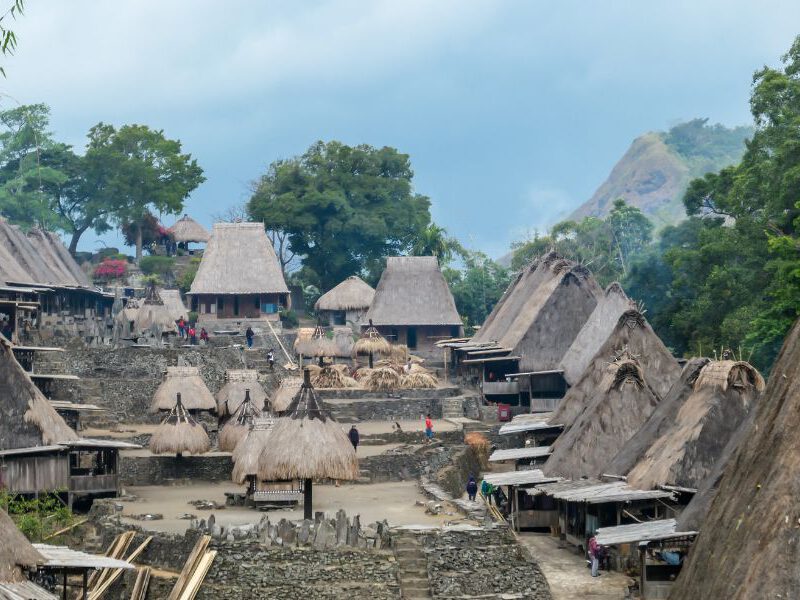
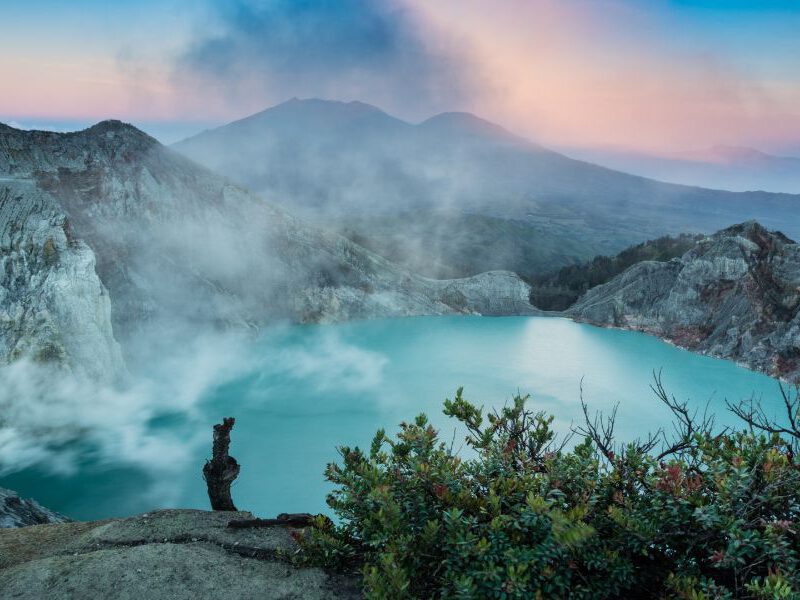
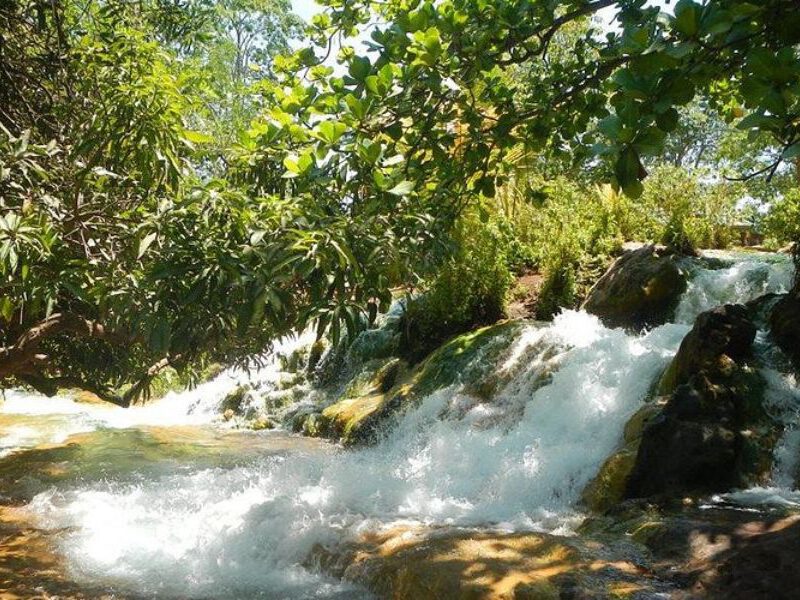
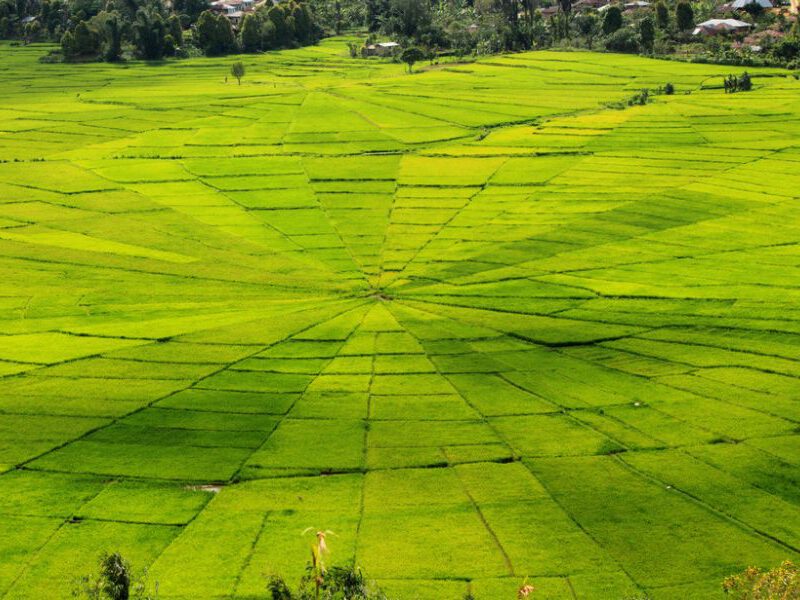
Day 1 — Labuan Bajo to Ruteng Batu Cermin — Mirror Stone Cave The first stop on the overland journey is Batu Cermin, a limestone cave on the outskirts of Labuan Bajo where light refracts through cracks in the rock at certain times of day, making the cave walls appear to shine like mirrors. The cave contains fossils of marine creatures, evidence that this entire landscape was once submerged beneath the sea. Ruteng — Manggarai Highland Town Ruteng sits at over 1,000 meters elevation in the central Flores highlands, surrounded by terraced rice fields and mist-covered volcanic peaks. The air is cool, the pace is slow, and the town serves as a base for exploring the surrounding Manggarai culture — one of the most distinctive indigenous traditions in eastern Indonesia. Evening at the local market reveals the produce and flavors of the highlands. Day 2 — Ruteng Lodok — Spider-Web Rice Fields (Cancar Village) The Lodok rice paddies at Cancar Village are among the most extraordinary agricultural landscapes in Indonesia. Seen from above, the fields radiate outward from a central point in a perfect spider-web pattern — a traditional Manggarai land division system called lingko, in which communal rice fields are divided equally among village families using the spider's web as a model of fairness. The view from the hilltop is surreal and unlike anything you will see elsewhere in the world. Todo — Traditional Manggarai Village Todo is one of the oldest traditional villages in the Manggarai region, home to the ancestral clan of the Manggarai kings. The village preserves its traditional drum house (mbaru gendang), clan heirlooms, and ceremonial objects. A visit here is an encounter with living culture — not a reconstruction for tourists, but a community that maintains its traditions daily. Day 3 — Ruteng to Bajawa Aimere — Traditional Palm Wine Village Aimere is known throughout Flores as the center of sopi production — the potent palm wine distilled from the lontar palm. Local producers make it using traditional clay pots and bamboo condensers in a process unchanged for generations. A stop here is a chance to taste the drink that fuels ceremonies, festivals, and daily social life across much of eastern Indonesia. Bena Village — Megalithic Ngada Culture Bena is one of the best-preserved traditional villages in Flores, home to the Ngada people, whose animist traditions predate the arrival of Christianity on the island. The village is arranged around a central ceremonial plaza lined with ngadhu (thatched parasol shrines representing male ancestors) and bhaga (miniature thatched houses representing female ancestors). Clan houses stand exactly as they have for centuries. The community still conducts rituals, wears traditional ikat cloth, and maintains the megalithic belief system alongside Catholicism. Day 4 — Bajawa to Ende Mengeruda Hot Springs Mengeruda is a natural hot spring complex fed by geothermal water from the active volcanoes of central Flores. The pools range in temperature and are set in a peaceful river valley surrounded by jungle. Soaking here in the morning — before the heat of the day — is one of the most relaxing moments of the entire overland journey. Ende — Soekarno's Place of Exile Ende, the main city of central Flores, holds a unique place in Indonesian history. From 1934 to 1938, Sukarno — who would become Indonesia's founding president and the architect of independence — was exiled here by the Dutch colonial government. The modest house where he lived is now a museum, preserved exactly as it was during his stay. Sukarno later said that his years in Ende, surrounded by the Catholic Ngada people and the mystical landscape of Flores, were formative in shaping his philosophy of Pancasila — the five principles of the Indonesian state. Day 5 — Kelimutu Crater Lakes Kelimutu National Park — Three-Color Crater Lakes at Sunrise Kelimutu is one of the most extraordinary natural phenomena in all of Indonesia. Three crater lakes sit at the summit of an active volcano, each a different color — turquoise, black, and deep red-brown — caused by varying concentrations of minerals and dissolved gases reacting with the volcanic water. What makes Kelimutu truly remarkable is that the colors change over time: a lake that is turquoise this year may be white or dark green in five years. The lakes are sacred to the local Lio people, who believe they are the resting place of departed souls. Arriving at sunrise, with mist drifting across the peaks and the lakes glowing in the first light, is one of the most memorable moments any traveler can experience in Southeast Asia. Moni Village — Ikat Weaving (Optional) Moni, the small village at the foot of Kelimutu, is a center of traditional ikat weaving. Local women produce cloth using hand-spun cotton thread dyed with natural plant pigments and woven on backstrap looms — a process that can take weeks for a single piece. The patterns are specific to clans and carry encoded stories about ancestry and cosmology. Visiting a weaver's home is an opportunity to watch the craft up close and, if you wish, purchase a piece directly from its maker. Day 6 — Ende to Maumere Wolowaru Ikat Market (Optional) Wolowaru hosts one of the most authentic ikat textile markets in eastern Indonesia. Traders and weavers from villages across the surrounding area bring their cloth to sell — geometric patterns in earthy reds, blacks, and yellows that represent distinct clan identities. This is not a tourist market; it is a functioning local trade that has operated for generations. Transfer to Ende or Maumere Airport The overland journey ends with a transfer to the nearest airport for your onward flight. Maumere Airport (MOF) serves Bali, Kupang, and other eastern Indonesian destinations. Ende Airport (ENE) also operates regular connections westward. Your guide assists with the transfer and the tour concludes here — six days and five nights across one of the most diverse and rewarding islands on earth.

What's Included

check_circle Kelimutu Three-Color Crater Lakes at Sunrise
check_circle Bajawa Ngada Highlands & Traditional Villages
check_circle Bena Village Megalithic Shrines
check_circle Ruteng Spider-Web Rice Fields (Lodok)
check_circle Mengeruda Natural Hot Springs
check_circle Soekarno Exile House in Ende
check_circle Ikat Weaving Village Visit
check_circle Private Air-Conditioned Vehicle
check_circle 5 Nights Hotel Accommodation
check_circle Breakfast Daily

Not Included

cancel International & Domestic Flights
cancel Travel Insurance
cancel Lunch & Dinner (except where noted)
cancel Personal Expenses & Souvenirs
cancel Tips for Driver & Guide (discretionary)
cancel Alcoholic Beverages
cancel Entry Fees to Some Attractions (noted on day-by-day)

Customer Reviews

Share Your Experience

check_circle

No reviews yet. Be the first to share your experience!